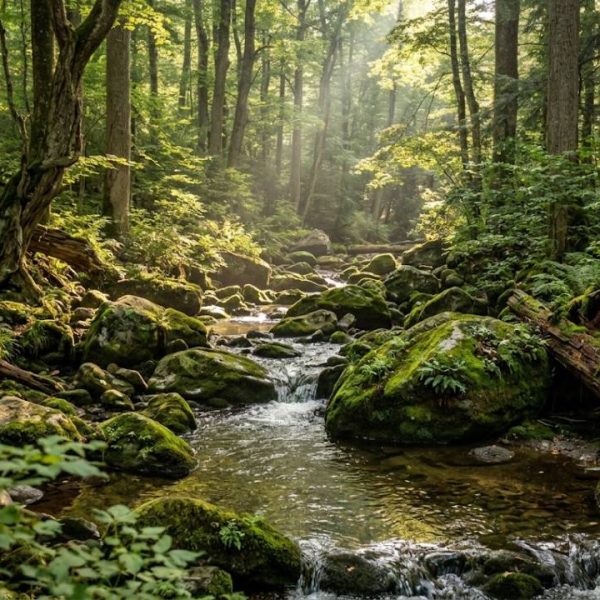
Wild places have a way of slowing us down. Forests, rivers and open hills invite us to look closely, breathe deeply and remember that life is bigger than our schedules. This article explores how to find calm and wonder in nature, wherever you live.
Why Wild Places Feel So Restful
Natural settings ask less of our attention than screens and traffic. Moving water, rustling leaves and birdsong gently occupy the mind. Many people feel calmer within minutes of stepping under trees.
Begin With a Local Wood
You do not need a remote wilderness. A nearby wood or river path is enough. Visit at different hours and seasons, and you will discover how much changes within a single familiar place.
Walk Slowly and Look Closely
Walking at a gentle pace lets you notice bark patterns, tiny flowers and insect trails. Stop often, crouch down and study details. Slowness turns an ordinary path into a small adventure.
Follow Rivers and Streams
Moving water supports kingfishers, dragonflies and fish. Sit on a bank and watch the surface. The patterns of light and ripple have a natural rhythm that many people find deeply soothing.
Notice Trees as Living Communities
A mature tree can shelter hundreds of species, from fungi and beetles to owls. Learn to recognise a few local trees by leaf and bark, and the whole wood begins to feel familiar.
Listen for Hidden Sounds
Close your eyes for a minute and count what you can hear. Wind, distant calls, buzzing and water often blend into a subtle soundtrack. Listening sharpens attention and relaxes the shoulders.
Visit at Dawn or Dusk
Light is softer and animals are more active at the edges of the day. Deer, foxes and owls are most likely to appear then. Bring a warm layer and move quietly.
Learn the Seasons
Spring shows fresh leaves, summer hums with life, autumn glows with colour and winter reveals structure. Returning through the year builds a lasting sense of connection to place.
Carry a Few Simple Tools
Binoculars, a small notebook and a basic field guide are enough. A phone can identify songs and plants, but try observing first. Discovery feels richer when you work something out yourself.
Respect the Code of the Countryside
Stay on paths, close gates, keep dogs under control and take litter home. The Woodland Trust shares practical ways to enjoy woods while protecting wildlife and fragile habitats.
Leave No Trace
Pack out what you bring in. Avoid picking flowers or moving rocks that shelter small creatures. If everyone leaves places as they found them, these spaces will remain wonderful for decades.
Try Quiet Moments of Stillness
Find a log or boulder and sit for ten minutes without your phone. Animals often return once you are still. Stillness teaches patience and reveals life you would otherwise miss.
Photograph Mindfully
Photos can deepen attention when taken thoughtfully. Wait for good light, keep your distance from wildlife and put the camera away from time to time to simply experience the moment.
Share Stories Across Languages
Nature writing and conservation guides travel far when they are well translated. Professional english to thai translation helps researchers and travel writers share trail guides with Thai speaking audiences accurately.
The places the article describes are found by people who went looking for them deliberately, usually online and usually some weeks in advance. Properties near them benefit enormously from that search traffic and frequently capture none of it. Closing that gap is the practical work of hotel digital marketing, which for a rural property often means ranking for the landscape rather than for the town nobody has heard of.
Use Digital Tools Responsibly
Apps can help identify species and plan routes. Newer generative AI content tools can draft trail descriptions, but facts should always be checked against real observations and trusted local sources.
Bring Friends and Family
Shared walks create memories. Invite someone who rarely goes outdoors and choose an easy route. Enthusiasm spreads naturally when people see how enjoyable a gentle outing can be.
Introduce Children to the Outdoors
Let children splash in puddles, build dens and collect leaves. Unstructured play builds confidence and curiosity. Positive early experiences make caring for nature feel instinctive in later life.
Dress and Prepare for Safety
Wear sturdy footwear, carry water and tell someone your route. Check forecasts and daylight hours. A little preparation allows you to relax completely once you are among the trees.
Respect Wildlife Distances
Never chase or feed wild animals. Quiet observation from a distance keeps both you and the animals safe. Patience often rewards you with longer, more natural sightings.
Support Conservation Efforts
Donate, volunteer or join a local group that plants trees and restores habitats. Even a few hours of practical work help ecosystems recover and connect you with like minded people.
Take Nature Home
Grow native plants, leave a patch of garden wild and put up nest boxes. Your home can become a small refuge, and daily glimpses of wildlife keep the sense of wonder alive.
Reflect on What You Notice
After each outing, write or sketch one memorable moment. Reflection turns passing impressions into lasting memories, and it helps you appreciate how much natural beauty surrounds you.
Make Wild Places Part of Your Routine
Schedule a regular visit just as you would any appointment. A weekly hour outdoors protects your wellbeing and builds a lifelong relationship with the natural world.
Final Thoughts
Calm and wonder are never far away when we make time to step outside. Choose one idea from this list, visit a wild place this week and let it work on you slowly. The benefits tend to grow with every visit.